A curiosity about people and the places we inhabit.
I’m Michal Matlon, an architectural psychologist and space strategist. My work grew out of something I noticed long before I had a name for it: how strongly a place could affect the way I felt.
When friends came over, I would move bedside lamps around to make the cottage feel warmer and more welcoming. Cold light and unfriendly rooms unsettled me. Small changes in atmosphere could make a place feel entirely different.
That sensitivity gradually became a question I wanted to explore: how can we create places that respond more thoughtfully to the people who use them?
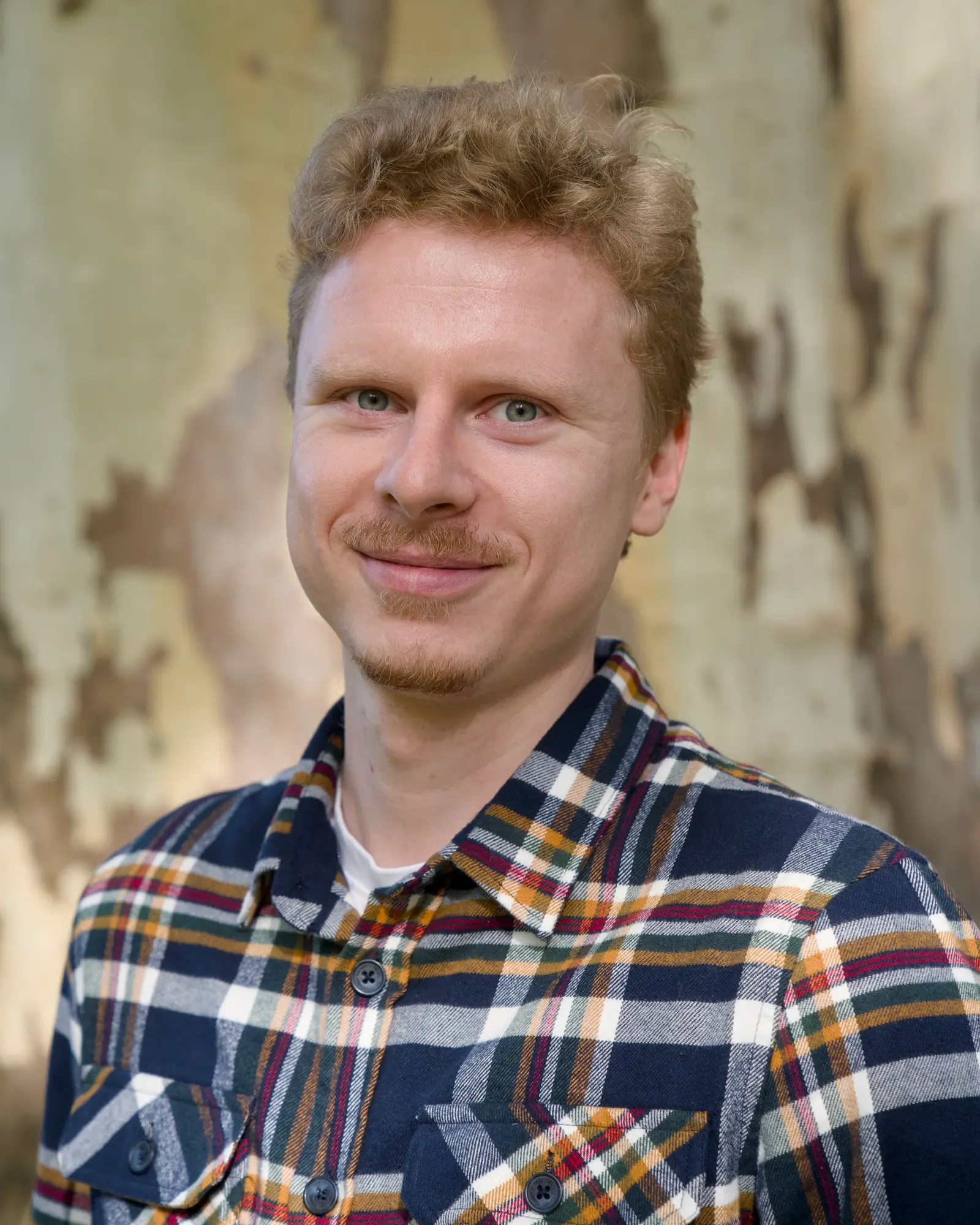
Image: Sarah Weiss
How that curiosity became my work
An unexpected starting point
I studied applied psychology at Comenius University in Bratislava, exploring how psychological knowledge could inform different areas of life and work. My first encounter with its application to architecture came through a classmate’s master’s thesis with real estate developer HB Reavis.
People in an office building were frustrated by the wait for elevators. Her research explored what encouraged or discouraged them from using the stairs. I helped measure how people used the space and reviewed research on staircase design and use. It was a concrete introduction to how environmental psychology could inform everyday decisions about buildings.
Learning through practice
I later joined HB Reavis in workplace consulting and user experience. I co-led the company’s headquarters relocation project, working with Gensler and strategic consultancy theLivingCore.
Explore the headquarters project →The experience taught me how much a workplace involves: organizational priorities, different ways of working, culture, and how people begin to use a new environment. Alongside this project, I helped translate research about people and places into evidence-based design principles for the company’s buildings and spaces.
Moving to theLivingCore, I deepened my use of qualitative research to understand how people see their world, what concerns them, and how change takes shape within organizations. I also became more attentive to how we experience environments through our whole bodies, including movement, sensation, and the possibilities a place offers.
“He is a very deep, dialectic thinker who doesn't shy away from having difficult conversations about things that matter.”
Connecting different perspectives
Before turning to architecture, I worked across communication, media, photography, technology, and marketing from a young age. Those experiences still shape how I investigate questions, connect ideas, and explain them to others.
Today, I bring that breadth to an independent practice, working with trusted collaborators across disciplines. I’m interested in what becomes possible when people listen closely to one another and bring their knowledge together around a shared purpose.
Background at a glance
Learning through conversation, sharing through writing
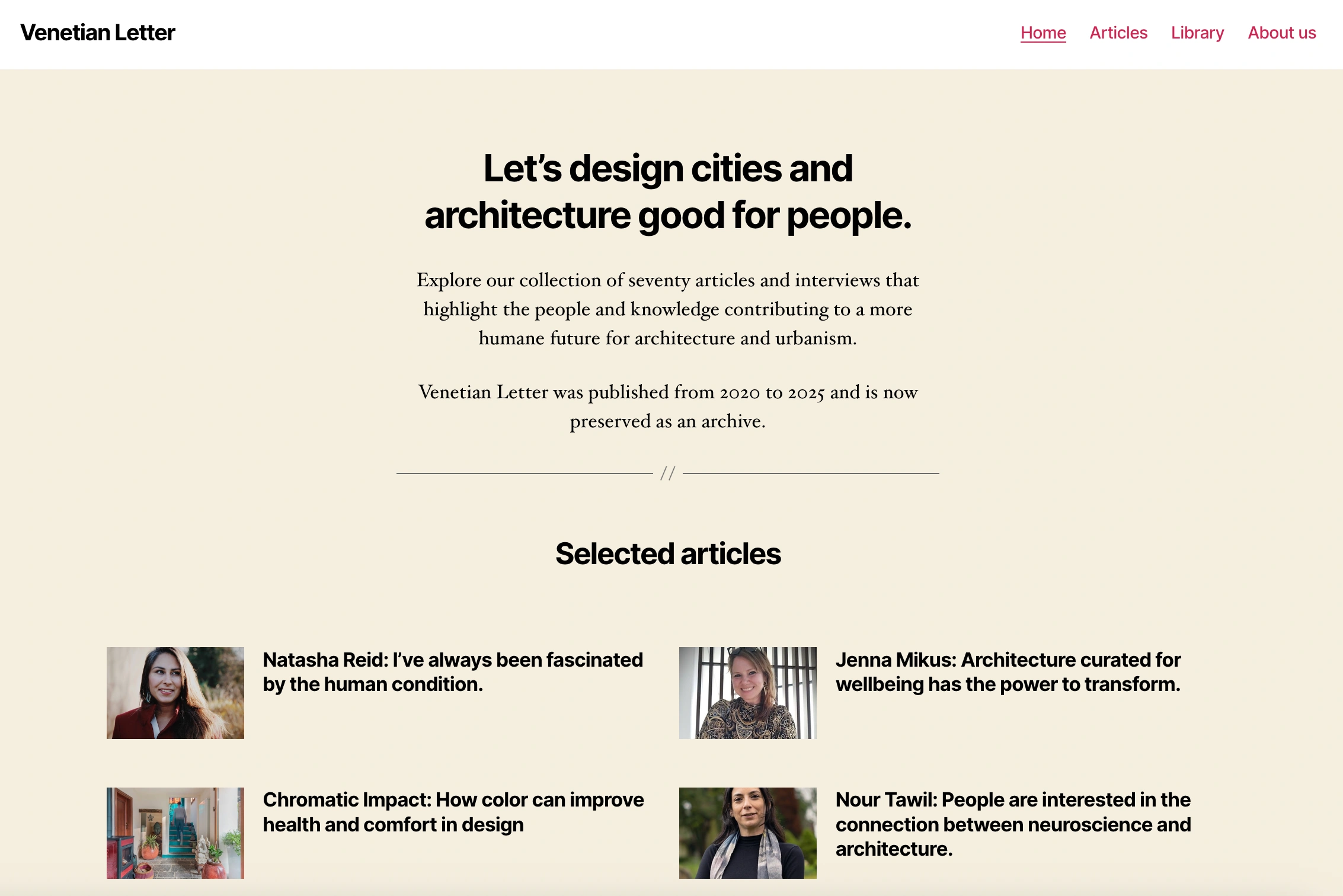
The Venetian Letter
Natalia Olszewska and I met after speaking at an environmental psychology conference in Prague.
In 2020, we started The Venetian Letter to bring knowledge about people and places to a wider audience. We also wanted to give visibility to the researchers, architects, designers, and educators developing these ideas.
Interviewing people from different disciplines became an important part of my own learning. Each conversation offered another way to think about architecture and human experience. The publication is now preserved as an archive.
Selected books
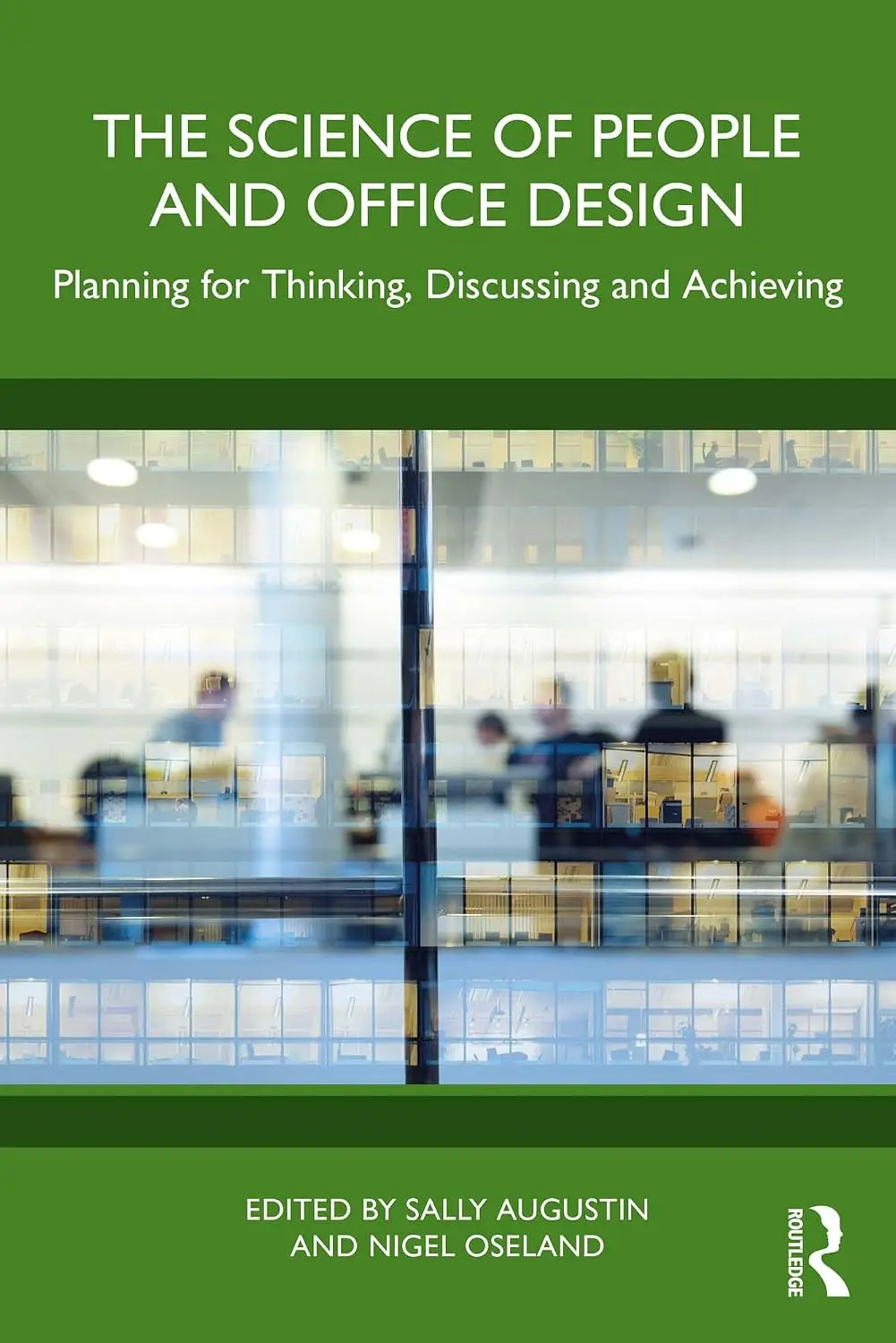
The Science of People and Office Design
Co-author of “Supporting Focused Work,” with Cynthia Milota.
A contribution connecting research with practical questions about how offices can support focused work.
Edited by Sally Augustin and Nigel Oseland. Published by Routledge.
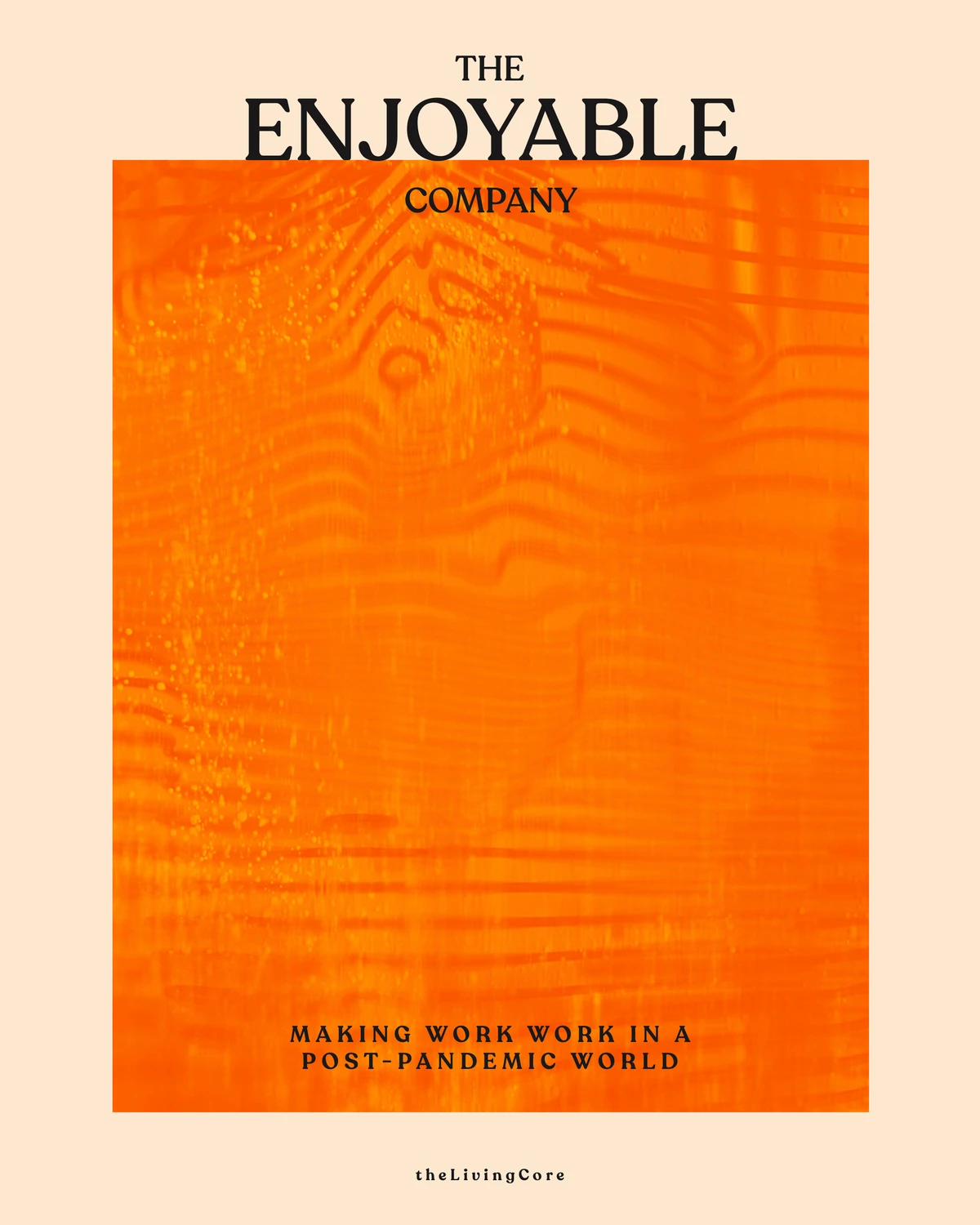
The Enjoyable Company
Co-author with colleagues at theLivingCore.
A publication exploring how organizations and workplaces can respond to deeper human needs and make work more enjoyable.
Written with Thomas Fundneider, Oliver Lukitsch, Markus F. Peschl, and Carina Rohrbach.
A few things I’m drawn to
Other worlds, above and below ground
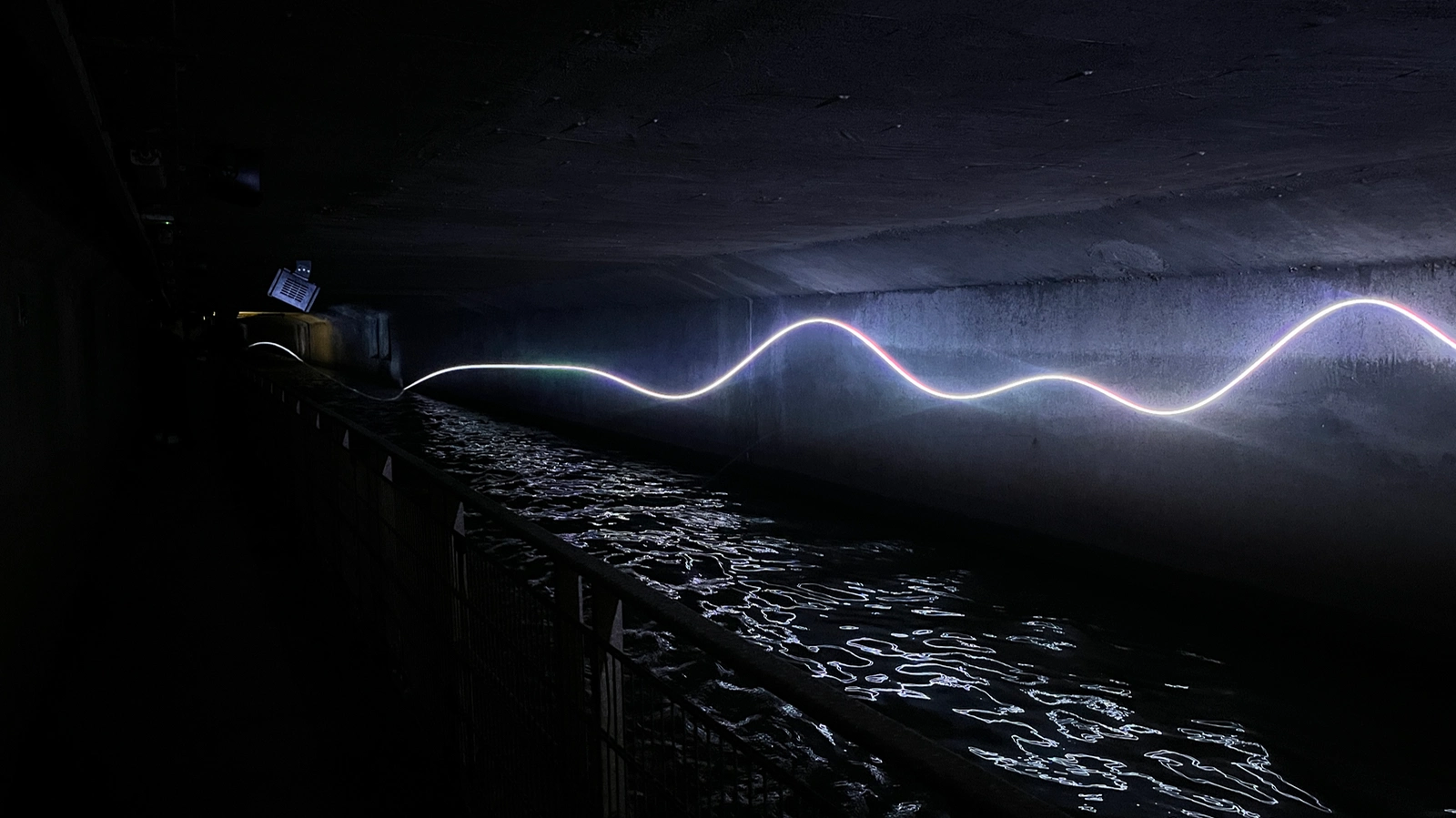
When I travel, I often seek out mines, tunnels, bunkers, and caves. I love their atmosphere, history, and sense of discovery: the cool air, the networks of corridors, and the feeling of stepping into a world apart from everyday life.
That curiosity also finds a home in games, science fiction, and fantasy. I grew up building with Lego and designing places in The Sims and SimCity.
Making things and figuring them out
I’ve long been the person building computers and fixing them for family and friends. I enjoy the technical and creative sides of making videos, editing photographs, recording sound, and experimenting with new tools.
Today, that curiosity includes AI, automation, and the possibilities of virtual environments.
Atmosphere and everyday pleasures
I love walks in nature, sauna, warm light, soft materials, and spaces that feel cozy. Jazz, electronic music, and immersive installations are other ways I enjoy atmosphere and sensory experience. I’m drawn to places that invite us to slow down, explore, or simply feel at ease.
I want to help create places where people feel at ease, find room to grow, and connect with one another. Places that enrich everyday life and support the communities and organizations we build together.
If you share that ambition, I’d love to hear from you.
Tell me what you’re working on
Planning a new place, rethinking an existing one, or organizing a talk or educational program? Tell me a little about it and what you hope to achieve.
You do not need a finished brief to get in touch.